
Preparing your home for a major remodel is not just about hiring contractors and picking finishes. The success of a renovation often depends on thorough planning, understanding your property, and coordinating multiple trades effectively. Addressing hidden issues early, protecting existing structures, and sequencing work in a logical order prevents costly delays, rework, and damage to both the home and newly installed features. By investing time in preparation, homeowners can streamline construction, maximize curb appeal, and ensure that every improvement is built on a solid foundation.
1. Conduct a Thorough Property Evaluation
Before requesting bids or scheduling any work, a comprehensive property evaluation sets the foundation for a smooth remodeling process. Skipping this step often leads to delays, unforeseen expenses, or rework because hidden site conditions can complicate construction. Problems such as foundation settling, uneven grading, soil instability, or restricted access can affect nearly every aspect of the project—from structural modifications and utility installations to exterior landscaping and interior finishes.
A foundation contractor plays a critical role in this early assessment. Their evaluation goes beyond visible cracks or cosmetic issues, examining the structural integrity of walls, footings, and subfloors. They look for signs of water intrusion, soil movement, or stress on load-bearing elements. Addressing these concerns before construction begins avoids costly delays, such as having to repair damaged flooring or walls mid-project, and ensures that the home can safely support new additions or renovations.
An excavating contractor complements this process by evaluating soil quality, drainage, and access points for heavy machinery. This includes analyzing the slope of the property, identifying areas prone to water pooling, and determining the best entry routes for equipment and materials. Proper excavation planning ensures that grading and earth-moving activities won’t damage existing structures, landscaping, or underground utilities. It also provides a roadmap for placing driveways, patios, and other hardscape elements in locations that optimize both function and aesthetics.
Actionable steps for homeowners:
-
Map existing structures and utilities: Create a detailed site map noting the locations of buildings, fences, trees, power lines, septic systems, and water lines. This ensures contractors are aware of potential conflicts and can plan work efficiently.
-
Identify problem areas: Look for low spots where water may accumulate, unstable soil patches, or slopes that could affect drainage and structural stability. Mark these areas for corrective action during excavation or foundation preparation.
-
Schedule professional inspections: Book appointments with foundation contractors and excavating contractors before soliciting bids from other trades. Their insights can inform project scope, timelines, and budgeting.
-
Maintain a log of potential issues: Document all findings, including recommendations from contractors. Use this information to prioritize work, adjust sequencing, and avoid surprises once the project begins.
By investing time in a thorough property evaluation, homeowners can proactively address challenges, establish realistic expectations for contractors, and create a roadmap that supports every phase of the remodel—from excavation and structural work to utility upgrades and landscaping. This upfront effort reduces stress, keeps the project on track, and minimizes costly mid-project adjustments.
2. Assess Roofing and Exterior Protection
The exterior envelope of a home, particularly the roof, is the first line of defense against the elements. Any leaks, structural weaknesses, or water damage can compromise interior finishes and mechanical systems during a remodel. Delaying roof evaluation often results in moisture damage to drywall, insulation, flooring, and even electrical wiring, creating costly setbacks that ripple through the entire project.
Engaging a roofing contractor early is essential. A professional can thoroughly inspect shingles, flashing, gutters, vents, and any roof penetrations such as skylights or chimneys. The assessment typically identifies minor issues like missing shingles or degraded flashing that can be repaired immediately. However, if the roof is nearing the end of its lifespan or has significant structural wear, a full roof replacement is often the safest approach. Completing major roof work before interior projects begin prevents water intrusion and protects finished spaces from exposure to the elements.
Beyond structural considerations, roofing evaluation also includes coordinating with other trades. For example, HVAC units located on or near the roof, solar panels, and plumbing vents must be accounted for to prevent damage during repairs or replacement. Roofing work can generate debris and require heavy equipment, so scheduling and protective measures are critical.
Actionable considerations for homeowners:
-
Inspect roof decking and structural components: Check for rot, sagging, or water damage under shingles or tiles. Identifying compromised sections early prevents leaks and structural failures later.
-
Schedule repairs or replacement strategically: Plan roofing work to occur before interior remodeling, insulation installation, or exterior siding updates. This sequencing ensures that the home remains weather-tight during construction.
-
Coordinate with other contractors: Notify HVAC, plumbing, and skylight contractors about roof work. Confirm that mechanical units are protected, vents are clear, and no equipment will interfere with roofing crews.
-
Implement temporary weatherproofing if needed: If repairs cannot be completed immediately, cover exposed areas with tarps or temporary flashing to protect against rain or snow.
By addressing roof condition and exterior protection early, homeowners safeguard the interior from moisture damage, maintain structural integrity, and ensure that other contractors can work efficiently without the risk of overlapping conflicts. Proper sequencing also reduces downtime and prevents costly interruptions caused by leaks or exposure during the remodel.
3. Plan for a Local Roof Replacement if Needed
When a remodel aligns with the natural lifespan of a roof, proactive planning for a local roof replacement is critical. Delaying roof replacement until after interior or exterior work is underway can expose unfinished areas to weather, risk damage to newly installed insulation, drywall, or flooring, and create costly interruptions for other contractors. Scheduling a replacement early ensures the home remains weather-tight and protects all investments made in the remodel.
Choosing a local roof replacement specialist has distinct advantages. Local contractors typically have faster response times, understand regional weather conditions, and are familiar with local building codes and permit requirements. They also tend to have relationships with suppliers, which allows access to preferred materials and ensures that the installation meets quality and warranty standards.
Roof replacement must be sequenced properly within the broader remodel timeline. Structural work should always precede roofing to ensure that the roof deck, support beams, and framing can safely handle the new materials. Likewise, coordinating with exterior crews—such as siding installers or gutter specialists—prevents damage and ensures a cohesive finish.
Best practices for roof replacement:
-
Complete structural modifications first: Any framing repairs, reinforcements, or changes to roof lines should be done before removing the old roofing. This prevents exposure of unfinished structures and ensures proper alignment for the new roof.
-
Inspect support beams and framing: Verify that all structural components are sound and capable of supporting the weight of the new materials. Replace or reinforce any compromised sections to prevent sagging or failure.
-
Coordinate scheduling with exterior finishing: Align roofing work with siding, gutter, and flashing installations to prevent multiple trades from interfering with each other and to maintain a water-tight exterior.
-
Verify warranties and material quality: Confirm that shingles, underlayment, flashing, and other materials come with reliable warranties. Ensuring proper installation and high-quality products protects the home for years to come.
By planning a local roof replacement early and coordinating with other trades, homeowners minimize risk, reduce the potential for damage to interior and exterior finishes, and maintain a smooth workflow for all contractors involved in the remodel. Proper timing also allows for inspections and approvals to be completed before the home is exposed to construction activities, creating a more predictable and efficient project timeline.
4. Evaluate and Upgrade Electrical Systems

Electrical systems often need upgrades during a remodel to support new appliances, lighting, or HVAC equipment. An electrical contractor should be engaged early to evaluate panel capacity, wiring, and overall system safety.
Homeowners should also integrate heating services at this stage. Systems such as furnaces, heat pumps, or radiant heating may require updated electrical connections. Coordinating these upgrades prevents interference with drywall, insulation, or interior finishes.
Actionable steps:
-
Conduct a full electrical inspection, including panels, outlets, and wiring.
-
Plan rough-in electrical work before insulation or wall coverings are installed.
-
Align heating system upgrades with electrical planning to prevent conflicts.
-
Document all changes to ensure that other contractors are aware of updated circuits and connections.
5. Inspect and Prepare Plumbing and Sewer Lines
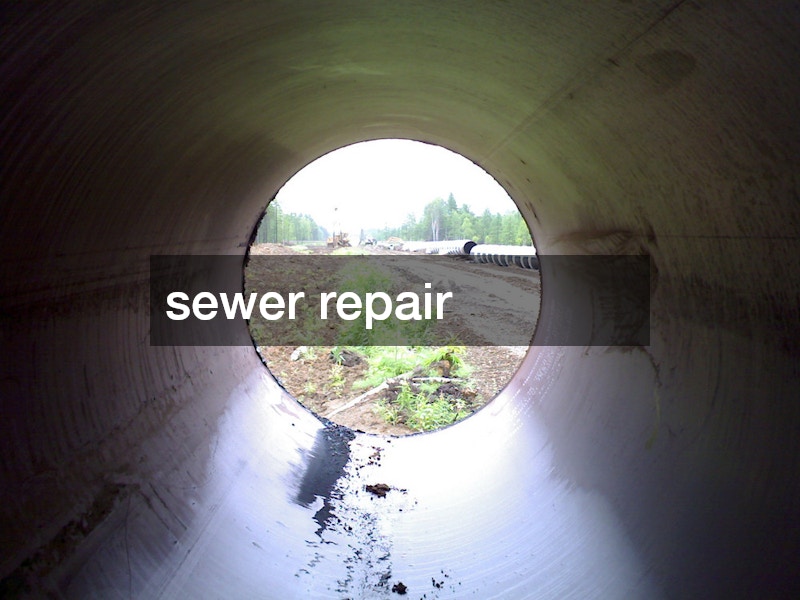
Plumbing issues are a common cause of remodeling delays. Sewer lines, in particular, can create unexpected complications if neglected. Scheduling sewer repair early ensures that underground systems are functional before excavation, foundation, or landscaping work begins.
An excavating contractor is often needed for trenching, pipe relocation, or grading adjustments. Coordinating excavation with plumbing work minimizes disruption and prevents damage to finished surfaces.
Key actions for homeowners:
-
Schedule sewer inspections and necessary repairs prior to major construction.
-
Map all underground plumbing to avoid conflicts with new foundation, driveway, or landscaping work.
-
Coordinate excavation schedules with other trades to maintain access and safety.
-
Consider upgrading old pipes for longevity and to meet current building codes.
6. Address Structural Concerns and Foundation Stability

Structural stability is critical for any remodel. Addressing foundation or framing issues early protects all subsequent work, including roofing, interior finishes, and mechanical systems. Foundation contractors should evaluate load-bearing walls, subfloors, and any signs of settling or water damage.
Timing is important: roof repairs or replacement should follow structural reinforcement to prevent leaks from compromising interior areas. This sequence ensures that the building envelope is secure before costly interior work begins.
Actionable tips:
-
Identify all load-bearing walls and inspect beams and joists.
-
Repair foundation cracks or settle issues before major exterior or interior remodeling.
-
Schedule roof repairs after structural reinforcement but before insulation or drywall installation.
-
Verify that all corrections meet code requirements and allow for inspections.
7. Plan Garage and Exterior Entry Improvements

Garage doors and entry points are more than functional—they impact curb appeal and construction logistics. Garage door repair or replacement should be scheduled before heavy equipment moves across driveways or exterior areas. This ensures doors function properly and prevents delays caused by access issues.
Garage door contractors can provide guidance on materials, styles, and installation timing. Coordinating with other exterior projects, such as roofing or siding, ensures seamless integration with the home’s updated appearance.
Actionable tips:
-
Inspect doors, openers, and tracks for damage or wear.
-
Replace or repair doors prior to construction staging or heavy equipment use.
-
Coordinate with other contractors to avoid interference with exterior renovations.
-
Consider materials and design that complement roofing, siding, and landscaping updates.
8. Prepare the Site and Groundwork for Construction
Proper site preparation sets the stage for a smooth remodeling process. Excavating contractors can grade the property, install temporary access points, and prepare areas for foundations, patios, or driveways. Clear planning prevents damage to landscaping, utilities, and structures during construction.
Foundation contractors can then complete their work on stable, prepared ground. Proper sequencing ensures that all structural and exterior improvements are built on a solid base, reducing long-term maintenance issues.
Key actions:
-
Establish staging areas for materials and equipment to reduce congestion.
-
Grade the property to ensure proper water runoff and erosion control.
-
Maintain access routes for heavy machinery and contractors.
-
Coordinate excavation with foundation work to minimize delays and site disruption.
9. Coordinate HVAC and Heating Upgrades
Heating and HVAC systems must be integrated into the remodel early. Poor timing can result in conflicts with insulation, drywall, and other interior finishes. Heating services should be scheduled alongside electrical upgrades to ensure proper power supply and duct routing.
Actionable steps:
-
Inspect furnaces, heat pumps, and ductwork for capacity and functionality.
-
Align installation schedules with electrical rough-ins and insulation work.
-
Confirm that vents, returns, and thermostat locations are consistent with the remodel plan.
-
Document any modifications for future maintenance or system expansion.
10. Final Planning and Contractor Coordination
Once the major site evaluations and utility upgrades are scheduled, it’s time to create a master plan. Coordinating roofing contractors, garage door contractors, foundation specialists, and other trades ensures that all work proceeds efficiently and in the correct sequence.
Homeowners should maintain a living schedule, updating timelines as work progresses to accommodate unexpected delays. Holding a pre-construction meeting with all contractors clarifies responsibilities and reduces the risk of miscommunication.
Actionable tips:
-
Identify dependencies between trades and sequence work accordingly.
-
Build in buffer time for inspections, material delivery, and unexpected site conditions.
-
Maintain ongoing communication through weekly or biweekly progress meetings.
-
Use a project manager or the remodeling contractor to oversee coordination and resolve conflicts promptly.
Preparing for a major home remodel requires more than just hiring contractors—it demands careful planning, early evaluation, and strategic sequencing. By assessing property conditions, addressing foundation and structural needs, upgrading utilities, and coordinating exterior improvements, homeowners can prevent delays, protect investments, and ensure that every trade works efficiently.
From roofing and garage door repair to electrical, sewer, and heating services, each component is interconnected. Early involvement of specialized contractors ensures that critical systems are reliable, the home is protected, and all renovations contribute to a cohesive, long-lasting, and visually appealing result. Proper preparation not only simplifies the remodel but also enhances curb appeal, energy efficiency, and overall property value for years to come.